
Can Stucco Cracks Mean Foundation Problems in Utah? What Homeowners Should Know
Can Stucco Cracks Mean Foundation Problems in Utah?
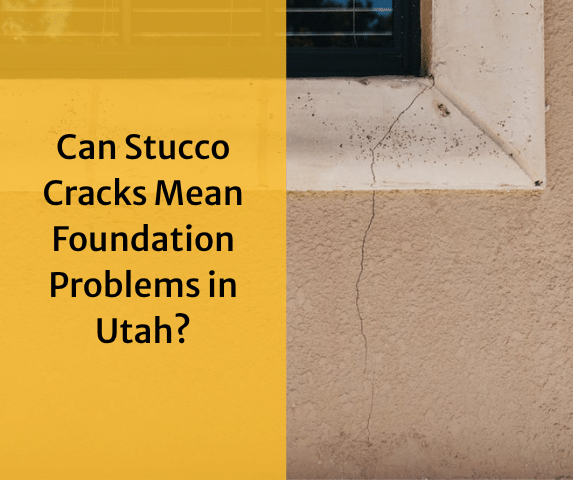
Stucco is a common exterior finish on homes throughout Salt Lake City, Lehi, Draper, Ogden, and surrounding areas. It performs well in Utah’s climate and provides a clean, durable look.
But stucco does something else many homeowners don’t realize — it often becomes the first visible indicator of foundation movement.
Before we go further, it’s important to clarify:
Davenport Foundation Repair does not repair stucco.
Stucco repairs are cosmetic and handled by exterior finish contractors.
We use cracking patterns in stucco to determine whether a home may be experiencing foundation settlement or structural movement beneath the surface.
Not every crack means you have a foundation problem. However, certain patterns, widths, and locations can indicate structural shifting — especially in areas with expansive soils, freeze-thaw cycles, and seasonal moisture changes like we see across Utah.
Below are ten real-world examples of when stucco cracks may point to foundation issues.
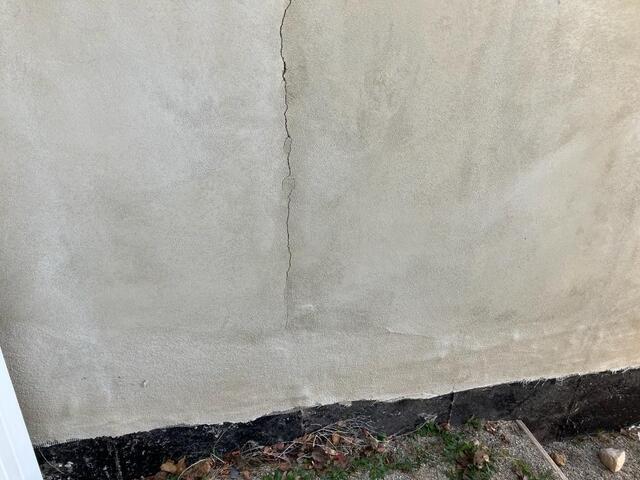
1. Vertical Cracks Starting Near the Foundation Line
A vertical crack that begins near the base of the wall and extends upward can indicate differential settlement.
In many Utah slab-on-grade homes, the soil beneath one section of the slab may compress more than another. When this happens, part of the foundation lowers slightly, transferring stress into the wall above it.
If the crack widens as it rises, that often suggests one portion of the slab has settled relative to the rest of the structure.
The stucco is reacting to movement below.
2. Stair-Step Cracking Near Corners of the Home

Corners experience high structural stress. When soil shifts due to moisture changes or freeze-thaw expansion, the corner of a slab may lift or settle independently.
This can create stair-step or zigzag cracking in the stucco near the edge of the structure.
Along the Wasatch Front, seasonal ground moisture changes can cause this type of movement, particularly in clay-rich soils.
3. Diagonal Cracks Extending From Window or Door Corners
Windows and doors interrupt structural framing, creating natural stress concentration points.
When a foundation shifts, cracks often form diagonally from the upper or lower corners of these openings.
If diagonal cracking appears along with sticking doors or windows that no longer close properly, it may signal structural movement.
4. Cracks That Continue Through Multiple Wall Sections
Hairline shrinkage cracks in stucco are usually isolated. However, when a crack spans across architectural breaks, transitions in texture, or multiple wall sections, it may indicate structural stress rather than surface shrinkage.
Structural cracks tend to ignore decorative lines and follow load paths.
When cracking appears continuous and deliberate in direction, it deserves professional evaluation.
5. Cracks That Reopen After Being Patched
If a stucco crack has been repaired and later reappears in the same location, this often points to ongoing movement beneath the structure.
Cosmetic repairs may temporarily conceal the crack, but if the slab continues to shift, stress will reopen it.
When cracks repeatedly return, it’s time to investigate the foundation itself.
6. Cracks Wider Than 1/8 Inch
Small hairline cracks are common in stucco and are often harmless. However, cracks that exceed 1/8 inch in width — especially if they expand over time — may indicate measurable settlement.
Utah’s dry summers followed by wet seasons can cause soil shrinkage and re-expansion, contributing to this type of movement.
Monitoring crack width over time can reveal whether the issue is active.
7. Exterior Cracks Matching Interior Drywall Damage
When stucco cracking aligns with drywall cracks inside the home, the pattern becomes more significant.
If both interior and exterior walls show similar cracking in the same location, the structural system may be shifting as a whole.
Surface-level cosmetic issues typically do not mirror each other on both sides of the wall. Structural movement does.
8. Separation at Control Joints
Stucco systems include control joints designed to handle minor expansion and contraction.
If cracks appear outside these joints or cause separation at material transitions, it may indicate movement beyond normal thermal expansion.
Utah’s temperature swings between summer and winter can create stress — but when cracking exceeds what control joints are designed to manage, foundation movement may be involved.
9. Cracking Combined With Sloping or Uneven Floors
If you notice stucco cracks along with floors that feel uneven or sloped, the combination may indicate slab settlement.
Exterior cracking is often the first visible symptom. Interior floor changes confirm structural displacement.
When both appear together, a foundation inspection is recommended.
10. Cracks That Begin in the Stem Wall
In some cases, cracking originates at the exposed concrete foundation or stem wall and continues upward into the stucco.
When the concrete below shows cracking that aligns with stucco cracking above, it strongly suggests structural movement.
The foundation moves first. The stucco follows.
Why Foundation Movement Happens in Utah
Utah homes experience unique environmental factors that can contribute to settlement:
• Expansive clay soils in many Wasatch Front neighborhoods
• Freeze-thaw cycles that cause soil expansion
• Snowmelt saturation followed by dry summer shrinkage
• Improper drainage or irrigation near the foundation
• Poor compaction during original construction
Even homes that appear stable for years can develop settlement over time as soil conditions shift.
What Davenport Foundation Repair Does
We do not repair stucco finishes.
We evaluate structural integrity.
Stucco cracks serve as diagnostic indicators. If foundation movement is present, repairing the structure stabilizes the home — preventing cracks from returning.
Addressing the cosmetic surface without correcting the underlying issue does not resolve structural settlement.
When Should You Schedule a Foundation Inspection?
Consider scheduling a professional foundation inspection if:
• Cracks are widening
• Cracks are diagonal or stair-stepped
• Cracks align with interior damage
• Doors or windows stick
• Floors feel uneven
Early evaluation allows for more controlled repair options and long-term stability.
Final Thoughts
Not all stucco cracks indicate foundation problems. But certain patterns, sizes, and behaviors can reveal early structural movement.
Stucco does not cause foundation issues — it reveals them.
If you’re concerned about cracking on your Utah home, Davenport Foundation Repair can determine whether the issue is cosmetic or structural and recommend the appropriate next step.